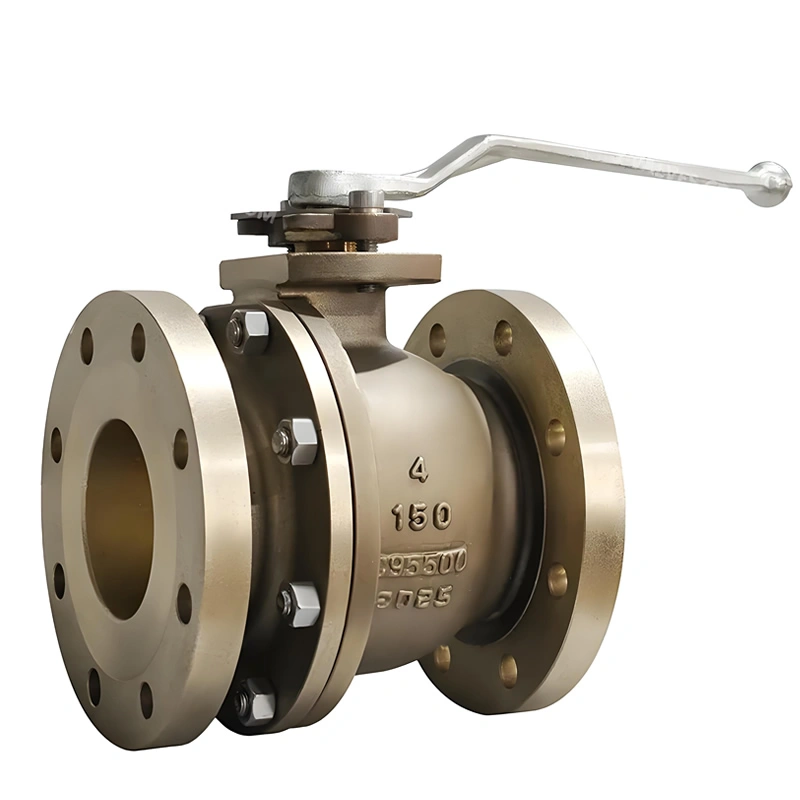
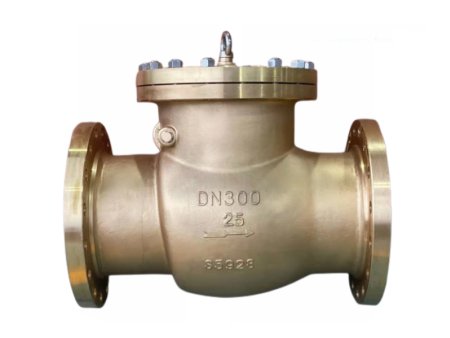
What is a Bronze Valve?
Quick Answer: A bronze valve is an industrial flow‑control valve built from copper‑tin alloy, famous for seawater corrosion resistance, widely adopted for marine, fresh‑water and light‑duty process piping.
Bronze valves are cast from tin‑bronze / gunmetal alloys such as ASTM B62 C83600, CAC406, resisting dezincification failure that often happens to brass valves in salt‑rich media. Common bronze valve types include globe valve, gate valve, check valve, ball valve.
VALVEFAC supplies full‑range bronze valves conforming to international marine and industrial standards, available in standard and lead‑free bronze variants for drinking‑water projects.
What Are Core Material Properties of Bronze Valves?
Quick Answer: Bronze valves deliver excellent seawater corrosion resistance, good ductility, anti‑wear performance and stable mechanical performance under medium‑high temperature conditions.
- Resists dezincification, suitable for salt‑water and brackish‑water service
- Forms natural protective oxide layer against chloride‑induced corrosion
- Good machinability and casting performance
- Reliable for medium pressure and moderate temperature working conditions
VALVEFAC bronze valve bodies adopt qualified gunmetal bronze raw material; aluminum‑bronze material is available on request for extra‑heavy‑duty marine working conditions.
What Are the Main Advantages of Bronze Valves?
Quick Answer: Bronze valves excel at seawater anti‑corrosion, anti‑dezincification, long service life, stable sealing performance for marine and water‑system projects.
- Outstanding corrosion resistance for seawater, brine, steam and fresh‑water
- No dezincification risk compared with ordinary brass valves
- Good ductility, less prone to cracking under thermal shock
- Stable sealing after long‑time immersion
- Cost‑effective alternative to high‑grade stainless steel for marine‑grade piping
For shipboard cooling, fire‑fighting and ballast piping, VALVEFAC frequently recommends bronze valves to cut whole‑life maintenance cost.
What Industries and Applications Use Bronze Valves?
Quick Answer: Bronze valves are primarily used in marine shipping, offshore platform, water supply, HVAC, fire‑protection and light‑corrosion industrial piping systems.
‑ Marine & shipbuilding: seawater cooling lines, ballast systems, marine fire‑fighting piping
‑ Offshore: deck water service, auxiliary seawater circuit
‑ Water treatment: fresh‑water pipeline, drinking‑water distribution (lead‑free bronze)
‑ HVAC & heating: steam and hot‑water circulation systems
‑ General industry: light chemical, irrigation and offshore auxiliary process lines
VALVEFAC provides complete bronze valve packages for marine and land‑based projects, supporting OEM modification upon project specifications.
Bronze Valve vs Brass Valve
Quick Answer: Bronze uses copper‑tin alloy and resists dezincification for seawater; brass is copper‑zinc alloy, fit for general fresh‑water but not recommended for salt‑water service.
表格
| Parameter | Bronze Valve | Brass Valve |
|---|---|---|
| Main Alloy | Copper + Tin | Copper + Zinc |
| Dezincification Risk | None | High under salt‑water / hot water |
| Seawater Performance | Excellent | Poor |
| Mechanical Strength | Higher | Moderate |
| Best Application | Marine, brackish water, heavy‑duty water | General fresh‑water plumbing |
When confused between bronze and brass selection, send your medium condition to VALVEFAC engineering team for free material suggestion.
Bronze Valve vs Stainless Steel Valve
Quick Answer: Bronze has superior seawater anti‑biofouling performance at lower cost; stainless steel fits high‑pressure, high‑temperature and strong‑chemical corrosive media.
Bronze is cost‑efficient for marine seawater loop. Stainless steel is preferred for strong acid, high‑pressure process pipelines. VALVEFAC can compare both material options according to your project budget and medium parameters.
What Common Types Do Bronze Valves Have?
Quick Answer: Main bronze valve categories include bronze globe valve, bronze gate valve, bronze swing check valve, bronze ball valve, bronze angle valve for different flow‑control purposes.
‑ Bronze globe valve: precise shut‑off & throttling for steam and water
‑ Bronze gate valve: full‑open straight‑through flow for water supply
‑ Bronze check valve: prevent reverse flow for marine seawater circuit
‑ Bronze ball valve: fast on‑off operation for general‑purpose service
VALVEFAC stocks above bronze valve patterns, covering flanged, threaded end connections.
What Standard Specifications Apply to Bronze Valves?
Quick Answer: Industrial bronze valves cover DN15‑DN200, pressure class PN10‑PN40 / Class150‑Class300, follow ASTM, JIS and relevant marine standards.
‑ Common material grades: C83600 gunmetal, CAC406, aluminum‑bronze C95800
‑ End connection: threaded NPT/BSP, flanged RF
‑ Pressure rating: PN10‑PN40, Class150‑300
‑ Applicable standards: ASTM B62, JIS H5120
All VALVEFAC bronze valves follow above‑mentioned standards; material test reports can be provided upon request.
How to Select a Suitable Bronze Valve?
Quick Answer: Select bronze valve based on medium type, salinity, working pressure‑temperature, connection type and valve function requirements.
- Choose tin‑bronze / gunmetal for seawater and brackish‑water conditions
- Select lead‑free bronze for potable‑water drinking‑water systems
- Aluminum‑bronze for heavy‑duty offshore seawater immersion
- Confirm end connection: threaded for small‑bore, flanged for larger‑size marine piping
- Match valve pattern: globe for throttling, check for back‑flow prevention
Submit your working condition sheet to VALVEFAC, our engineers will deliver customized bronze valve recommendation and quotation.
What Are Common Failure Causes for Bronze Valves?
Quick Answer: Main failures include foreign‑particle jamming, gasket ageing, external galvanic corrosion and improper pressure overload.
‑ Solid sediment trapped between sealing faces causes internal leakage
‑ Gasket degradation under long‑time steam / hot‑water service
‑ Galvanic corrosion when connecting with dissimilar metal without isolation
‑ Exceeding rated pressure or temperature rating
VALVEFAC supplies matching spare gasket and internal‑part kits for bronze‑valve on‑site maintenance.
Bronze Valve Installation & Maintenance Guidelines
Quick Answer: Avoid galvanic corrosion contact, follow flow‑direction marking, prevent over‑torque and inspect sealing parts periodically.
‑ Isolate bronze valve when connecting with carbon‑steel piping to prevent galvanic corrosion
‑ Do not apply excessive torque during threaded‑end assembly
‑ Check gaskets and sealing surfaces during scheduled shutdown
‑ Clean sediment buildup for seawater‑service bronze valves regularly
Each VALVEFAC bronze valve product comes with installation and maintenance documentation.
Conclusion
Bronze valve is a classic copper‑alloy fluid‑control component, widely trusted in marine and water‑treatment industries for outstanding seawater corrosion‑resistance and long service life. Proper material grade selection, standardized installation and periodic inspection extend system operation cycles.
As a global industrial valve supplier, VALVEFAC provides standard and custom bronze valves, technical consulting, dimensional drawings and third‑party inspection documents for worldwide marine and industrial clients. Contact our engineering team for your project requirements.