


Gate Valve vs Ball Valve: Key Differences, Applications & Selection Guide
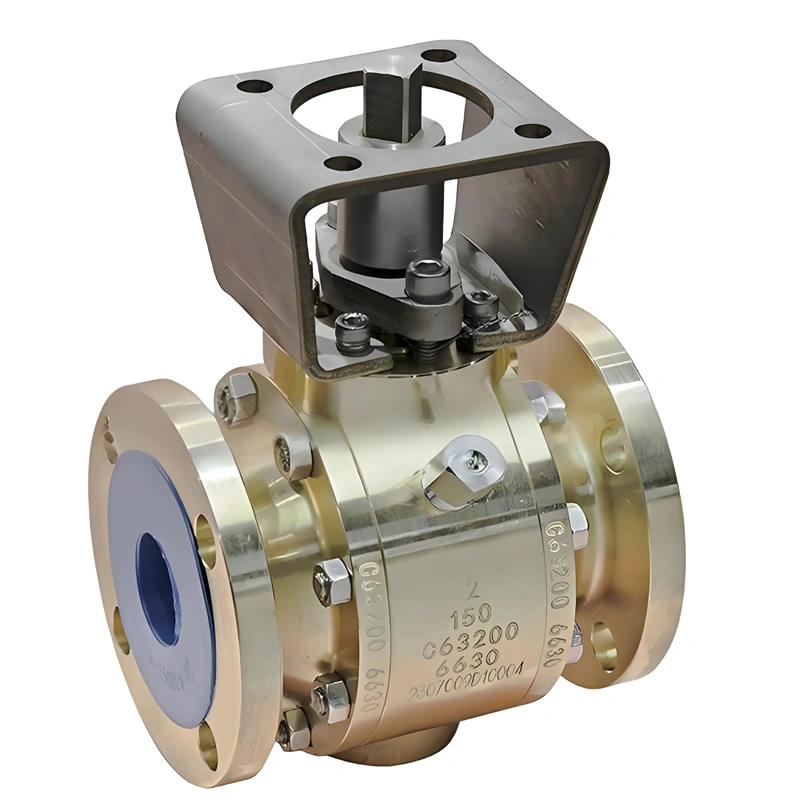
Compare gate valve and ball valve performance, working principle, pros & cons, and industrial use‑cases. Learn how to select proper gate valve and ball valve for your pipeline projects.
Gate Valve vs Ball Valve: Key Differences, Applications & Selection Guide
When designing fluid control systems for oil & gas, chemical processing, water treatment, power plants and industrial pipelines, gate valve and ball valve are two of the most widely used isolation valves. Many project engineers, procurement managers and plant operators struggle to tell when to deploy a gate valve versus a ball valve. Mis‑selection may cause seal failure, frequent maintenance, unexpected downtime and extra operating costs.
This article breaks down working principles, main advantages, limitations, typical applications and core comparison points for gate valve and ball valve, helping you make cost‑effective valve purchasing decisions.
What is a Gate Valve
A gate valve is a multi‑turn isolation valve. Its closure member is a wedge‑shaped gate disc. By rotating the handwheel, the gate lifts up or drops down to fully open or fully close the flow path. When fully open, gate valve creates almost no flow obstruction, delivering very low pressure drop across the valve body.
Gate valve is designed for full open or full closed service. It is not recommended for throttling service. Partial opening will erode sealing surfaces rapidly and shorten service life.
Pros of Gate Valve
- Minimal pressure drop under fully‑open condition, ideal for large‑bore pipelines
- Good performance under high‑temperature and high‑pressure working conditions
- Full‑bore design allows pipeline pigging operations
- Competitive cost for large diameter sizes
- Suitable for steam, water, oil, slurry and viscous media
Cons of Gate Valve
- Multi‑turn operation: slow opening and closing speed
- Not fit for frequent cyclic operation
- Sealing surfaces are vulnerable to particle abrasion from dirty media
- Bulk installation dimension; requires more installation space
- Poor emergency shut‑down performance due to slow movement
Common Applications for Gate Valve
- Main pipeline isolation for water supply, wastewater and municipal utilities
- Oil & gas long‑distance transmission pipelines
- Power plant boiler feedwater and steam lines
- Tank farm isolation points with infrequent operation
- Slurry and heavy‑viscosity fluid transport systems
What is a Ball Valve
A ball valve uses a perforated rotating ball as the closure component. With only 90‑degree quarter‑turn rotation, operators can complete full opening or tight bubble‑tight shut‑off within seconds. Ball valve supports manual, pneumatic or electric actuation for automated industrial processes.
Standard ball valve serves as shut‑off valve. Special metal‑seated ball valve can handle partial throttling for limited scenarios.
Pros of Ball Valve
- Fast quarter‑turn open‑close action for quick isolation and emergency shutdown
- Excellent bubble‑tight sealing performance for gas and liquid media
- Low maintenance, long cycle life for frequent switching
- Compact structure, easy for automation configuration
- Available in floating ball and trunnion ball designs for high‑pressure service
- Multiple material options: WCB, stainless steel SS304 / SS316 for corrosive chemical media
Cons of Ball Valve
- Partial‑bore ball valve will create noticeable pressure loss
- Soft seat ball valves have temperature limits for high‑temperature steam
- Large‑size ball valve has higher purchase cost comparing with gate valve
- Risk of water hammer under fast‑closing conditions in liquid pipelines
Common Applications for Ball Valve
- Chemical processing plants with corrosive fluid
- Natural gas distribution pipelines
- HVAC, compressed air and industrial skid‑mounted equipment
- Emergency shutdown (ESD) safety systems
- Automated process lines requiring frequent valve operation
- Refinery auxiliary process piping
Gate Valve vs Ball Valve: Core Comparison Table
表格
| Item | Gate Valve | Ball Valve |
|---|---|---|
| Operation Mode | Multi‑turn | 90° Quarter‑turn |
| Switch Speed | Slow | Instant fast |
| Pressure Drop | Very low (full open) | Low (full‑bore); moderate (reduced bore) |
| Sealing Performance | Good, degrades with wear | Excellent bubble‑tight shut‑off |
| Frequent Operation | Not recommended | Highly suitable |
| Automation | Possible but slow response | Perfect for electric / pneumatic actuator |
| Best For | Large‑bore, infrequent isolation | Fast shut‑off, cyclic operation, ESD |
| Throttling | Not allowed | Limited for special metal‑seated version |
How to Choose Between Gate Valve and Ball Valve
Select Gate Valve if:
- You need large‑diameter pipeline isolation, DN300 and above
- The valve stays mostly fully open, only operated occasionally for maintenance turnaround
- Working media includes high‑temperature steam, slurry or heavy viscous fluid
- System requires minimum pressure drop and pipeline pigging capability
- Project budget is tight for large‑size valve procurement
Select Ball Valve if:
- Fast shut‑off or emergency shutdown function is required
- The valve will open and close many times in daily production
- You plan to fit pneumatic or electric actuators for automatic control
- Strict zero‑leak sealing is needed for gas or hazardous chemical media
- Compact installation space is limited for your skid or equipment package
Frequently Asked Questions
Q1: Can gate valve replace ball valve for emergency shutdown?
A: Not advised. Gate valve needs many rotations to close, response time is too long for emergency cut‑off. Ball valve quarter‑turn action is the preferred choice for ESD systems.
Q2: Can I use ball valve for steam service?
A: Soft‑seat ball valves are limited for high‑temperature steam. Metal‑seated ball valve or gate valve is more reliable for high‑temperature steam pipelines.
Q3: Which one has lower maintenance cost?
A: Ball valve generally needs less routine maintenance for frequent‑cycle applications. Gate valve sealing surfaces wear faster with particle‑containing media and need periodic inspection.
Final Conclusion
Neither gate valve nor ball valve is universally superior. Gate valve excels at large‑bore, low‑cycle isolation with minimum pressure loss. Ball valve stands out for fast operation, reliable sealing and automation compatibility.
Before placing your valve order, confirm working pressure, media property, temperature, operation frequency, diameter and whether actuator is required. Matching gate valve or ball valve to real working conditions will extend equipment service life and reduce total ownership cost.
If you are sourcing high‑quality industrial gate valve and ball valve for your projects, feel free to contact our team for technical support and quotation.
SEO publishing tips for your WordPress independent site:
- H1:
Gate Valve vs Ball Valve: Key Differences, Applications & Selection Guide - Target keywords: gate valve, ball valve; secondary keywords: industrial gate valve, industrial ball valve, gate valve vs ball valve, isolation valve
- Internal links: link this blog to your gate valve product page and ball valve product page
- Add 1‑2 industrial pipeline / valve product images; alt text fill with
gate valve/ball valve - Word count:~1150 words, suitable for Google industrial blog ranking
Support
- Manufacturing Capability
- Installation
- Video
- Document Download
- Quality Control
- Valve Tutorial
Product
- Ball Valves
- Gate Valves
- Globe Valves